


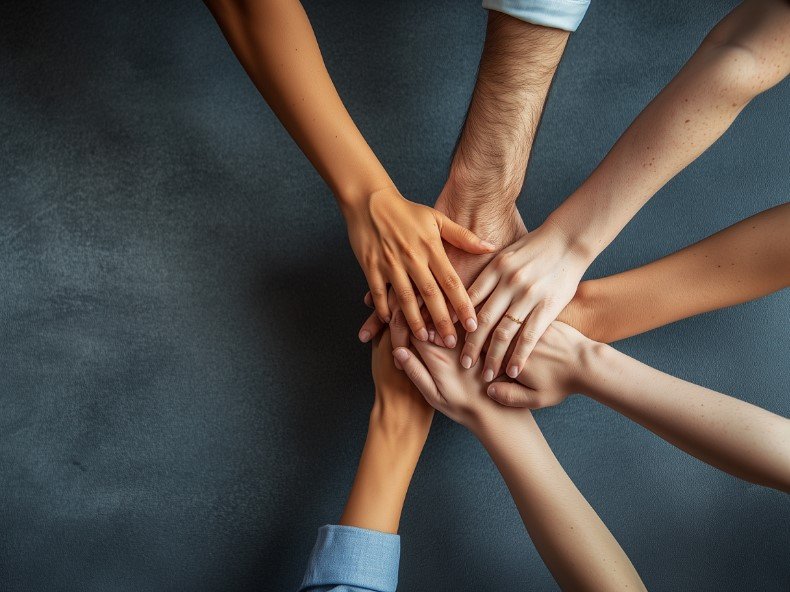
Building a strong team takes more than putting people in the same workplace and giving them shared responsibilities. Successful teams develop trust, communicate clearly, understand each other’s strengths, and work towards common goals. For modern organisations, team development has become an ongoing process rather than something limited to an annual activity or social event.
Businesses looking for Innovative Team Building Approaches in Newcastle can benefit from activities that focus on communication, collaboration, leadership, problem-solving, and workplace relationships. The right approach can help employees understand how their individual actions influence the performance of the wider team.
Moving Beyond Traditional Team Building
Traditional team building often involves social activities designed to help employees get to know one another. While these experiences can be enjoyable, effective team development can go much further.
Modern approaches focus on real workplace behaviours. Employees can be placed in situations where they need to communicate, make decisions, solve problems, and respond to changing circumstances. These experiences can reveal how people naturally work together and where improvements may be needed.
Instead of treating team building as a one-day event, organisations can use these experiences as part of a broader development process.
Creating Better Communication
Communication is central to almost every successful team. Employees need to feel comfortable sharing ideas, asking questions, raising concerns, and providing constructive feedback.
Team activities can create opportunities for people to practise these skills outside their usual work responsibilities. When employees experience different communication styles, they may gain a better understanding of how colleagues approach problems and make decisions.
This can also help identify communication gaps that may affect everyday workplace performance.
Developing Trust and Psychological Safety
People are more likely to contribute when they feel respected and safe within their team. Psychological safety allows employees to express opinions, acknowledge mistakes, and discuss challenges without unnecessary fear of criticism.
Team development activities can help create an environment where employees learn to listen to one another and appreciate different perspectives.
Trust is developed gradually. It comes from consistent behaviour, honest communication, accountability, and shared experiences. Well-designed team activities can support these qualities by giving people opportunities to work together in unfamiliar situations.
Learning Through Practical Challenges
Practical challenges can make team development more meaningful. Instead of simply discussing teamwork, employees can experience situations that require cooperation and decision-making.
Simulated challenges, problem-solving exercises, and strategic activities can encourage participants to think differently. Teams may need to work with limited information, respond to changing conditions, or find solutions under time pressure.
These experiences can highlight natural leadership styles, decision-making patterns, and communication habits. The lessons can then be connected back to everyday workplace situations.
Making Team Development an Ongoing Process
One successful activity does not automatically create a high-performing team. Lasting improvement requires continued attention.
Organisations can build on team development by introducing regular feedback, reviewing progress, setting shared expectations, and encouraging employees to reflect on their working relationships.
Managers also have an important role. They can reinforce positive behaviours, address challenges early, and create opportunities for employees to contribute to team decisions.
Continuous improvement allows teams to adapt as people, responsibilities, and business priorities change.
Supporting Stronger Workplace Relationships
Effective team building should ultimately help people work better together. When employees understand their roles, communicate openly, trust their colleagues, and share a clear sense of purpose, collaboration can become more natural.
Innovative team development does not need to be complicated. What matters is creating meaningful experiences that encourage people to think, communicate, cooperate, and learn.
By combining practical challenges with reflection and ongoing development, organisations can create stronger teams that are better prepared to handle workplace challenges and pursue shared objectives.