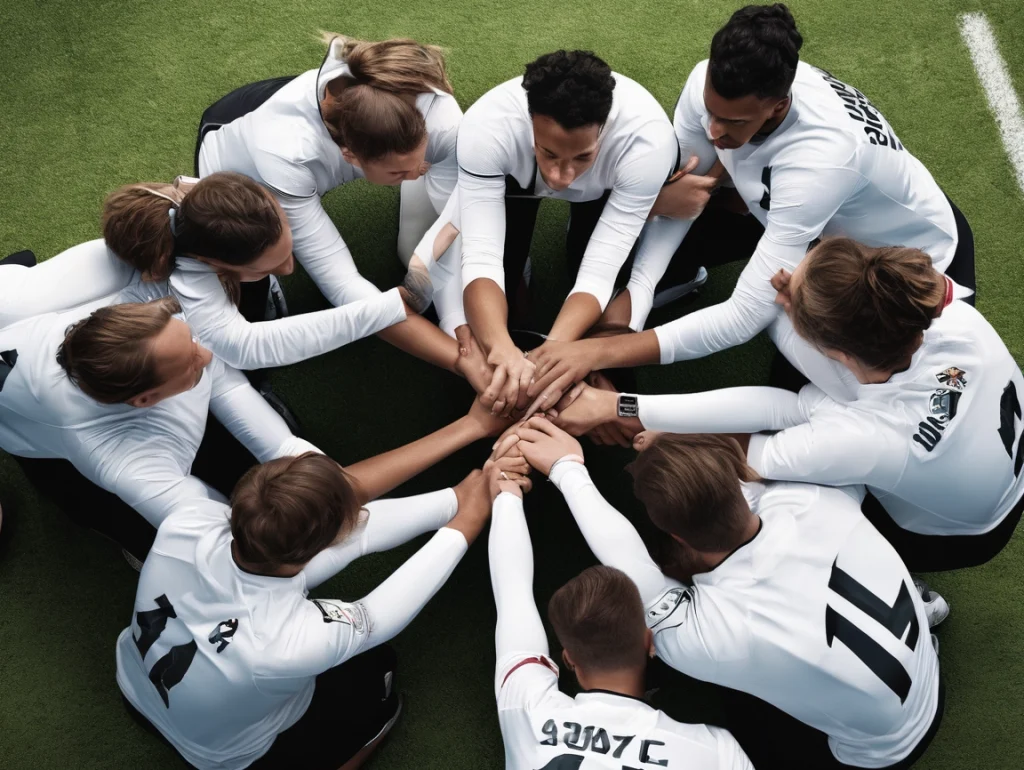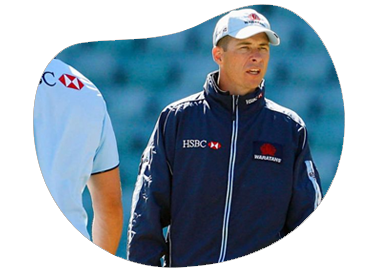

In my early years as a Head Coach, I built a team that excelled on paper – precise tactics, optimised metrics, high individual talent. The results were strong at first. But performance plateaued, trust eroded, and energy faded. The mistake? We prioritised mechanics and ignored culture. Team dynamics – relationships, psychological safety, and shared purpose – were underdeveloped. The engine ran on metrics, but the people burned out.
This pattern isn’t unique to sport. Many organisations over-index on systems and outputs while sidelining cohesion, trust, and meaning – and the long-term costs are real.
Why Team Dynamics is a Business Imperative
If people are your greatest asset, how effectively they work together is your greatest competitive advantage.
- Engagement drives results: Gallup’s State of the Global Workplace 2024 reports only 21% of employees are engaged – signalling systemic cultural neglect.
- High-engagement organisations see measurable gains:
- 18% higher productivity
- 10% higher customer loyalty
- 23% higher profitability
- Strong culture compounds value: Deloitte’s research links strong cultures to an 85% increase in net profit over five years.
The takeaway: sustainable performance starts with people, not just processes.
The Human Cost of Metrics-Only Management
When employees become data points – speed, output, efficiency – burnout follows.
- Managers influence roughly 70% of team engagement, yet manager engagement dropped to 27% in 2024. Disengaged leaders create disengaged teams.
- Productivity suffers when people feel unheard or undervalued.
- Authentic feedback and recognition platforms can help: when used well, they enable continuous dialogue, support, and development – correlating with significant productivity gains and stronger psychological safety.
Despite this, many leaders still prioritise performance metrics over culture – a critical blind spot. You can’t solve a people problem with purely mechanical solutions.
Culture as a Competitive Advantage: Southwest Airlines
Southwest Airlines outperforms in a cost-sensitive industry by making culture a core strategy. A powerful example: inviting front-line employees to co-design their uniforms. It wasn’t cosmetic – it gave people a voice, created ownership, and strengthened unity. That is team dynamics in action: trust, respect, empowerment – and sustained performance.
A Cautionary Tale: Enron
Enron’s collapse shows what happens when mechanics outrun values. Hyper-competitiveness, short-term incentives, and secrecy destroyed psychological safety and ethics. Advanced systems couldn’t compensate for a broken culture. Without trust, transparency, and collaboration, even the best mechanics become liabilities.
Timeless Insight: Aristotle on Human Flourishing
Aristotle argued that human flourishing (eudaimonia) emerges in community (koinonia). Excellence isn’t purely individual – it’s realised through shared purpose. Engagement isn’t a survey or software; it’s a community where people belong, grow, and contribute meaningfully.
The Human Touch in an AI World
AI can optimise workflows and analyse data – but it cannot build trust, resolve conflict, or inspire shared purpose. Only human leaders can listen deeply, empathise, and shape culture. Use technology to enhance human connection, not replace it.
From Mechanics to Meaning: A Leader’s Checklist
- Prioritise culture and team dynamics as strategic levers, not side projects.
- Build psychological safety: normalise learning from mistakes; invite dissent and diverse views.
- Invest in feedback and recognition: make it timely, specific, and supported with resources.
- Develop managers as coaches: equip them to model curiosity, vulnerability, and clarity.
- Celebrate teamship: reward shared wins and co-elevation, not just individual heroics.
- Run regular “team tune-ups”: quick, structured check-ins on morale, alignment, and ways of working.
- Learn from case studies: emulate Southwest’s empowerment; avoid Enron’s cultural blind spots.
- Anchor decisions in values: align systems and incentives with the culture you want to sustain.
Mechanics and Meaning: What to Balance
| Mechanics (Systems) | Meaning (Culture) |
| Clear goals, metrics, and processes | Psychological safety and trust |
| Role clarity and decision rights | Shared purpose and team identity |
| Performance reviews and KPIs | Continuous feedback and recognition |
| Tools and automation | Human connection and empathy |
Conclusion
Operational excellence is necessary – but insufficient for long-term success. Sustainable performance requires balance: systems and souls, outputs and relationships, metrics and meaning. The strongest teams aren’t defined by the best dashboards, but by the strongest bonds. Culture isn’t a cost centre; it’s the foundation of lasting success.