


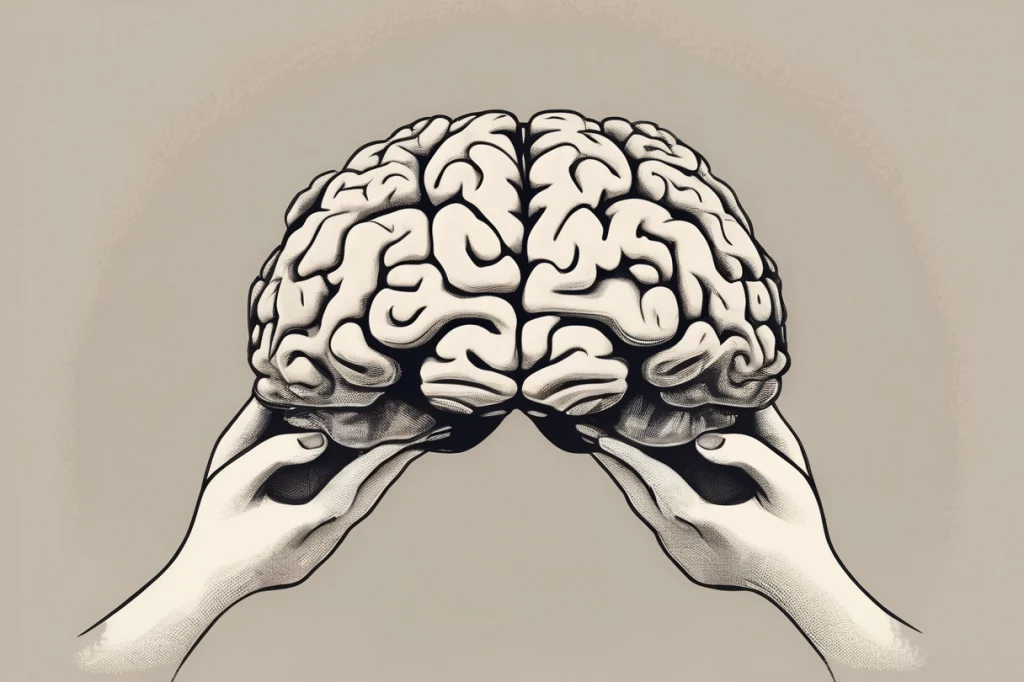
Psychological safety is a shared belief that a team is safe for interpersonal risk taking – speaking up with ideas, questions, concerns, or mistakes without fear of embarrassment or punishment. First introduced by Harvard’s Amy C. Edmondson (1999), it underpins learning, innovation, and sustainable performance.
Why it matters
- Enables learning behaviours: asking for help, sharing information, experimenting
- Drives performance: Google’s Project Aristotle identified psychological safety as the number one predictor of effective teams
- Improves adaptability: faster error reporting, better problem‑solving, and candid dialogue—especially in complex, changing environments
What it looks like in practice
- Mutual respect and trust – differing views are welcomed
- Openness to questions and uncertainty – “I don’t know” is acceptable
- Willingness to voice concerns or challenge assumptions
- Mistake tolerance with learning – errors prompt improvements, not blame
- Receptiveness to feedback – feedback is sought, heard, and acted upon
- High candour and transparency – direct, constructive communication
What it is not
- Not “being nice” or avoiding conflict – expect candid, sometimes uncomfortable conversations
- Not lowering standards – high safety coexists with high accountability
- Not identical to trust – trust is interpersonal; psychological safety is team-level climate
- Not the absence of discomfort – productive debate is expected
- Not a substitute for performance management – difficult conversations still happen, constructively
How it differs from related concepts
| Concept | Primary Focus | How It Differs from Psychological Safety |
| Trust | One‑to‑one expectation that another will act in your interest | Safety is a shared, team‑wide belief about taking interpersonal risks |
| Emotional Safety | Personal emotional comfort/well‑being | Safety focuses on learning and performance‑related risk‑taking at work |
| Accountability | Meeting agreed performance standards | Safety enables accountability by making it safe to surface issues and seek help |
Putting it into practice: A leader playbook
- Model vulnerability: admit mistakes, ask questions, invite input
- Set clear expectations: define roles, goals, and decision ownership
- Establish norms: “disagree and commit,” no blame, learn fast
- Build feedback into meetings:
- Daily stand‑ups: 2–5 minutes for one appreciation and one growth opportunity
- Project reviews: 10–15 minutes of structured performance feedback
- Quarterly planning: 60 minutes for development and capability building
- Reinforce follow-through: document commitments, provide resources within 24 – 48 hours, and check progress
- Frame errors as information: run blameless post‑mortems focused on causes and fixes
Practical meeting examples
- Values-driven retrospectives: highlight behaviours that showed excellence, collaboration, growth, integrity, or innovation; define how to strengthen them next cycle
- “SPARK” moments in status meetings: quick shout-outs linking observed positive behaviours to team values, plus a small resource or action to amplify them
Key takeaways
- Psychological safety is foundational to high performance and innovation
- It enables learning behaviours that drive adaptability and results
- Leaders set the tone by modelling vulnerability and curiosity
- High standards and psychological safety reinforce each other
- The goal isn’t comfort – it’s candid, respectful, and productive dialogue