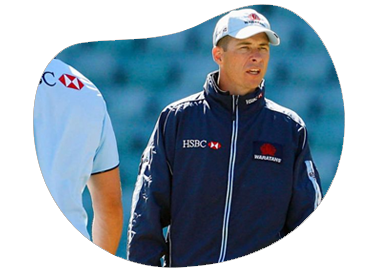


In professional sports, feedback isn’t a post-game ritual—it’s built into every practice, huddle, and timeout. Athletes receive real-time guidance, structured development, and continuous coaching that accelerate performance. The same approach works in business.
At Apex Dynamics, we’ve seen that when feedback becomes part of daily operations – especially within meetings – continuous improvement becomes the norm and performance lifts across the board.
The Triple Win of a Feedback Framework
- Enhanced performance: Timely, specific feedback enables quick course‑corrections before small issues become big problems.
- Stronger relationships: Feedback delivered with the giver’s accountability for the receiver’s success builds trust, not tension.
- Accelerated development: Supported growth (removing barriers, providing resources) reduces learning time and speeds skill acquisition.
Make Feedback Part of Your Meeting Culture
Before the Meeting
- Set clear expectations: Share roles and objectives in advance – like athletes reviewing the playbook.
- Create psychological safety: Establish ground rules that prioritise learning over blame.
During the Meeting
- Open with a quick feedback round (5 minutes): Each person offers one appreciation and one growth opportunity based on recent work.
- Use a tiered approach that fits the meeting context:
- Daily stand‑ups: Brief, focused feedback (2–5 minutes)
- Project reviews: Structured performance feedback (10–15 minutes)
- Quarterly planning: Comprehensive development discussions (60–90 minutes)
After the Meeting
- Document commitments: Capture specific support actions agreed during feedback exchanges.
- Follow through: Deliver promised resources or help within 24–48 hours.
- Check progress: Schedule brief follow‑ups to ensure feedback is being applied effectively.
Practical Examples
- Project retrospective (values‑driven): Replace “what went wrong” with a values lens. Identify behaviours that demonstrated excellence, collaboration, growth, integrity, or innovation – then define how to strengthen those values in the next cycle.
- Weekly status meeting (“SPARK” moment): Start with quick shout‑outs that connect observed positive behaviours to team values. Offer small, concrete resources to amplify what’s working.
Bottom Line
Elite sports teams don’t wait for seasonal reviews—they integrate feedback everywhere. Bring that mindset into your meetings and you’ll build a culture where improvement is continuous, people feel supported and valued, and performance becomes sustainable. Great leaders, like great coaches, measure success by how effectively they develop the talent around them.